
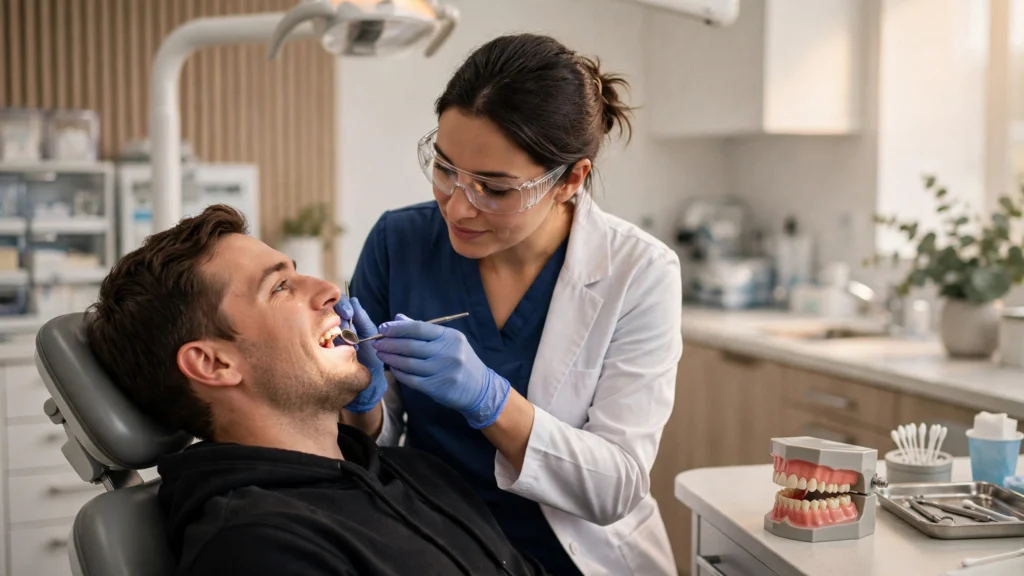
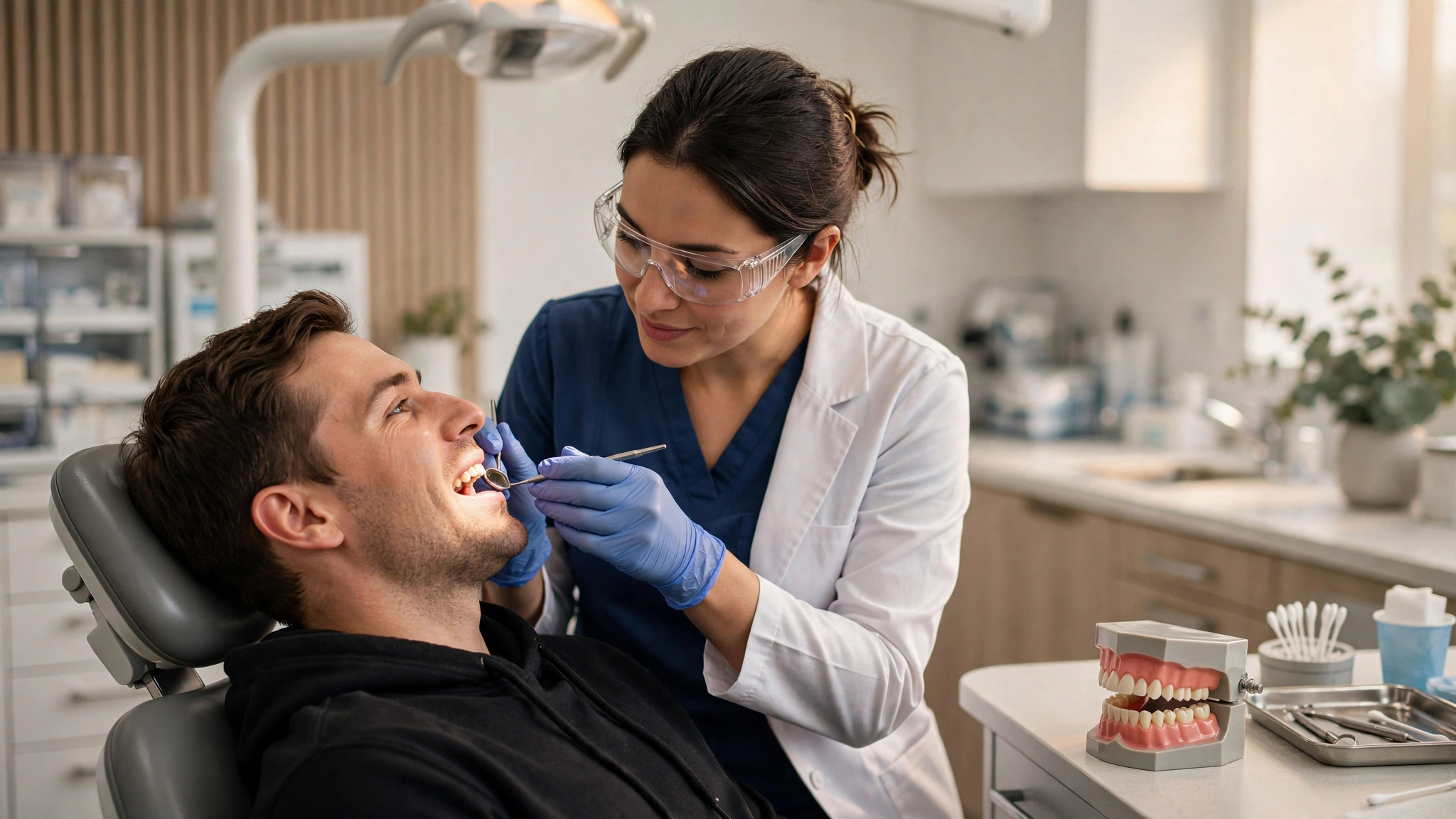
Dental Injury Settlement From Car Accident: How Much?
You survived the crash, but the moment your face hit the dashboard, steering wheel, or airbag, your smile took damage that goes far beyond a cosmetic concern. If you are asking what a dental injury settlement from car accident claims is typically worth, you are not being shallow — damaged teeth affect how you eat, speak, sleep, and show up in the world. The honest answer is that every case is different, but understanding the treatment costs, the way insurers think about dental injuries, and how strong documentation drives value can help you protect yourself from a lowball offer.
This guide walks you through everything: why dental injuries are chronically undervalued by insurance companies, what treatments actually cost, how your different insurance policies interact, the steps to document your claim properly, and illustrative settlement bands by severity, to help you evaluate a dental injury settlement from car accident claim.
Why Insurers Undervalue Dental Injuries After a Car Accident
Here is a frustrating truth many crash victims discover: a tooth that was knocked out by an airbag is sometimes treated by an adjuster like a pre-existing cosmetic issue. Dental injuries sit in a strange middle ground. They are real medical injuries with real medical costs, yet many adjusters default to minimizing them. Each of these tactics is designed to shrink the value of a dental injury settlement from car accident claim — understanding them is the first step to countering them.
The “cosmetic” label insurers put on your teeth
Adjusters have a playbook for dental claims, and the first page is to frame the injury as cosmetic. A chipped front tooth may be described in a claims file as “aesthetic damage,” which quietly downgrades it from a medical injury to a vanity concern. That framing matters because it lets the insurer argue for a smaller payout. The reality is that a damaged tooth is a functional injury: it can affect your bite, cause nerve pain, loosen neighboring teeth, and require crowns, root canals, or implants to restore basic chewing.
If you are building a dental injury settlement from car accident claim, insist that your medical records describe functional impact — pain, sensitivity, difficulty eating, bite changes — not just appearance. Words like “patient reports difficulty chewing” carry far more weight in a file than a photo of a chipped tooth alone.
Your prior dental history will be used against you
One of the most common defense moves is to dig into your dental records and argue the damage was already there. Fillings, old crowns, a history of grinding — all of it may be pulled out to suggest your tooth was compromised before the crash. You cannot stop them from looking, but you can neutralize this tactic with one thing: pre- and post-accident imaging. If you have dental X-rays from a checkup before the crash, they become a powerful baseline. If you do not, your dentist’s post-accident X-rays, showing fresh fractures, root damage, or displacement consistent with impact, tell the story.
A clear clinical note linking the injury pattern to the crash mechanism (“fracture consistent with blunt impact”) is one of the most valuable documents in your file.
Early offers arrive before your treatment is finished
Perhaps the most dangerous tactic is speed. It is common for an adjuster to offer a settlement within weeks of the crash — often right after your emergency visit, long before your permanent restoration is complete. Accepting that check feels like relief, but dental treatment is almost always multi-stage: an emergency visit, then root canal or implant planning, then the crown or bridge months later. If you settle before the treatment plan is complete, you are gambling that nothing else goes wrong — and teeth injured in impacts frequently develop problems later, like a root dying months after the crash.
If you are considering how to negotiate with an insurance adjuster after a car accident, the dental-specific rule is simple: never sign away your dental injury settlement from car accident claim until your dentist has given you a written, final treatment plan with cost estimates. You can learn the broader negotiation fundamentals in our guide on how to negotiate with an insurance adjuster after a car accident.
The Real Costs Behind a Dental Injury Settlement From Car Accident Claims
Adjusters do not volunteer cost breakdowns, but the numbers tell their own story. Dental restoration is expensive because it is precision work: implants require surgery and months of healing, crowns are custom-fabricated, and jaw injuries may need an oral and maxillofacial surgeon. When you understand what treatment really costs, a five-figure dental injury settlement from car accident offer starts to look less like generosity and more like math.
Emergency treatment is only the beginning
Your first visit after the crash is usually about triage: stopping bleeding, stabilizing loose teeth, splinting, extracting teeth that cannot be saved, and managing pain. Emergency dental care resolves the immediate crisis, but it does not restore your mouth.
Permanent restoration — the crowns, implants, bridges, and orthodontic work that return your bite to normal — happens over weeks or months. A single dental implant with its crown generally represents several thousand dollars once you account for the surgical placement, the bone graft many patients need, the abutment, and the final crown. When multiple teeth are involved, the total climbs quickly. This is why a settlement offer that only reimburses your emergency-room or urgent dental bill is almost never complete.
Lifetime costs most people never think about
Here is what separates dental claims from most other injury claims: dental work has a lifespan. A crown placed at age 30 will likely need replacement at least once, and a bridge or implant crown can fail from wear, gum disease, or a later injury. A serious dental-injury case is not just “what does it cost to fix it today” — it is “what will it cost to maintain it for decades.”
Oral surgeons and prosthodontists can document expected replacement cycles and future treatment needs in a written report, and that future-care estimate is a legitimate part of your damages. Insurers know this and will fight it; having it in a specialist’s written treatment plan is how you keep it in your dental injury settlement from car accident claim. The difference between a claim with only today’s bills and a claim with documented future costs can be enormous.
How PIP, health insurance, and dental insurance interact
Dental injuries create a paperwork tangle because three policies may be in play at once. If you live in a no-fault state, your Personal Injury Protection (PIP) coverage may pay dental bills first, up to its limits — but PIP limits are often low relative to dental costs. Your health insurance typically covers dental work only when it is medically necessary and tied to the accident (such as jaw surgery), while your dental insurance covers routine care subject to annual maximums that serious trauma blows past in a single visit. The at-fault driver’s liability coverage is where the settlement comes from, but that pays at the end — after treatment, not before.
A practical sequence many attorneys use: PIP or MedPay first for immediate bills, dental insurance for covered portions, keep every Explanation of Benefits (EOB), and document every dollar the at-fault party’s insurance will eventually need to reimburse — that paper trail is the backbone of your dental injury settlement from car accident claim. Understanding this chain prevents the classic mistake of letting bills pile up unpaid while you wait for a settlement. For a broader picture of how crash claims generally value injuries, see our guide on average settlements for rear-end collisions with whiplash, which explains how insurers value claims across injury types.
Illustrative Settlement Bands by Severity Tier
The table below shows illustrative settlement bands for dental injuries from car accidents, organized by severity tier. These are not averages from a dataset and not predictions — they are broad bands meant to help you understand the scale of different injuries. Your actual recovery depends on your state, the at-fault driver’s policy limits, your treatment costs, documented future care, lost wages, pain and suffering, and how well your claim is documented. Policy limits are the invisible ceiling: if the at-fault driver carries only minimum coverage, even a catastrophic dental injury may be capped at whatever insurance exists.
| Severity tier | Typical treatment | Illustrative settlement band | Key value driver |
|---|---|---|---|
| Chipped or cracked tooth | Bonding or a single crown; sometimes a root canal if the nerve is exposed | $3,000–$12,000 | Whether the crack reaches the nerve (root canal + crown vs. simple bonding) |
| Single tooth knocked out (avulsed) | Emergency replantation or a dental implant with crown; bone graft often needed if the socket is damaged | $15,000–$60,000 | Implant surgery, bone graft, and whether adjacent teeth were also damaged |
| Multiple teeth lost or jaw fracture | Multi-implant restoration, bridges, and open reduction internal fixation (ORIF) surgery for the jaw | $60,000–$250,000+ | Surgical costs, months of treatment, scarring, and documented future replacements |
| Full-mouth reconstruction with TMJ involvement | Full-arch implants, extensive prosthodontics, and specialist TMJ care or surgery | $150,000–$500,000+ | Permanent life impact: eating, speech, chronic jaw pain, and lifetime care costs |
How to read these bands honestly
Two details matter more than the dollar figures. First, every band assumes the at-fault driver has enough coverage and that the injury is well documented — thin documentation pushes a case toward the bottom of its band regardless of how painful it was.
Second, these bands include the full claim value (medical costs, lost wages, pain and suffering), not just the dental bill. A single lost tooth with a straightforward implant sits very differently from a single lost tooth in a professional speaker or model whose livelihood depends on their smile, because economic and quality-of-life losses scale the case in a dental injury settlement from car accident claim. If your crash also involved broken bones, our breakdown of average settlements for a broken leg from a car accident shows how combined injuries stack in a claim.
How to Document Your Dental Injury Claim
If there is one sentence that decides the value of a dental claim, it is this: the adjuster pays for what is documented, not what you felt. Dental injuries are particularly vulnerable to weak documentation because much of the damage is invisible without imaging. Building a thorough paper trail from day one is the single highest-value action you can take.
What your dentist needs to put in writing
Your dentist is your most important witness, but only if their notes say the right things. Ask for — in writing — a diagnosis for each damaged tooth, the mechanism of injury linking it to the crash, the complete treatment plan with itemized cost estimates, and a statement about future care needs (replacements, ongoing monitoring, TMJ evaluation). Clinical notes that say “fracture consistent with blunt-force impact from motor vehicle collision” connect the dots for the adjuster. Notes that only say “crown needed” do not.
If your dentist is not comfortable writing medico-legal documentation for a dental injury settlement from car accident claim, an oral and maxillofacial surgeon or prosthodontist who regularly treats trauma cases can provide a supplemental report. Photographs of visible damage taken at each stage — immediately after the crash, during treatment, and at completion — also strengthen the file enormously.
Your paper-trail checklist
- Pre-accident dental records or X-rays, if you have them (baseline proof)
- Post-accident X-rays, CT scans, and clinical photos showing fresh injury
- Emergency dental and hospital records from the day of the crash
- Written treatment plan with itemized cost estimates from your dentist or specialist
- Written statement of future dental care needs and replacement timelines
- Every bill, receipt, and Explanation of Benefits from PIP, health, and dental insurance
- Records of time off work for appointments and recovery (lost wages)
- A simple journal noting pain levels, foods you cannot eat, and missed activities
- The police report and photos of the vehicle damage (crash-mechanism context)
- All correspondence with the insurance adjuster — save every letter and email
Keep in mind that fault rules in your state shape the whole claim. If the other driver claims you were partly responsible, the value of your dental claim can be reduced proportionally. Our guide on comparative negligence when you are partially at fault explains how that math works. And because severe dental injuries often arrive alongside other serious trauma, the valuation logic in our average settlement for a head-on collision guide is useful if your crash was a high-impact one.
Key Takeaway
A dental injury settlement from car accident claims is worth what you can prove: documented treatment costs today, credible future-care estimates, lost wages, and the genuine impact on your daily life. Insurers will try to label your injury cosmetic, mine your dental history, and settle you before treatment finishes — each tactic fails against a well-documented claim with a written specialist treatment plan. Do not accept an early offer before your dentist has finished the full treatment plan in writing, keep every record, and understand your PIP and insurance chain. Your smile is not cosmetic. Treat the claim that way.
Disclaimer: This article provides general information for educational purposes only and is not legal advice. Dental-injury values vary by state, treatment type, and insurance coverage. For guidance about your specific situation, consult a licensed attorney in your state.
Frequently Asked Questions
Can I claim for a chipped tooth after a car accident?
Yes. A chipped tooth is a compensable injury in a car accident claim, and the at-fault driver’s liability coverage is responsible for the reasonable cost of repair — typically bonding or a crown, plus a root canal if the nerve was exposed. Document it the same way you would a larger injury in a dental injury settlement from car accident claim: dental records, X-rays, and an itemized bill. Do not accept an adjuster’s suggestion that it is too minor to claim.
How long does a dental injury settlement from a car accident take?
Most dental-injury claims settle within a few months to a year, but the timeline is driven by your treatment, not the calendar. Because implants and crowns take months to complete, settling before treatment ends risks leaving future costs uncovered. Claims involving jaw surgery or full-mouth reconstruction can take longer, especially if future-care costs are disputed.
Will my health insurance or PIP cover my dental bills first?
Often, yes — and that is normal. In no-fault states, PIP usually pays accident-related medical bills (including dental) up to its limits first. Health insurance may cover accident-related dental surgery it deems medically necessary, and dental insurance covers portions subject to its annual maximum. The at-fault party’s settlement reimburses these amounts at the end, so keep every Explanation of Benefits for your dental injury settlement from car accident claim.
What if the adjuster says my dental damage was pre-existing?
This is one of the most common defenses in dental claims. Counter it with evidence: pre-accident X-rays as a baseline, post-accident imaging showing fresh fractures or displacement, and a clinical note from your dentist linking the injury pattern to the crash. You can also read the Insurance Information Institute’s guide to filing an auto insurance claim to understand the standard claims process while your documentation is assembled.
Do I need a dentist or an oral surgeon for my injury claim?
Your general dentist can handle diagnosis and routine restoration, but complex trauma — jaw fractures, multiple avulsed teeth, TMJ injuries — belongs with an oral and maxillofacial surgeon or a prosthodontist. For your claim, a specialist’s written treatment plan and future-care report carries significantly more weight with an adjuster than a general dentist’s brief notes.
Can I settle before my dental treatment is finished?
You can, but it is risky and usually unwise. Once you sign a release, you cannot reopen the claim if a treated tooth fails or needs a root canal months later. The safe rule is to wait until your dentist provides a final, written treatment plan with all costs — present and future — estimated. If bills are pressing, explore PIP or MedPay coverage rather than accepting a premature settlement.
If I lose a tooth, does it matter whether I get an implant or a bridge?
For your health, implants are generally the preferred long-term solution because they preserve the jawbone and do not require altering neighboring teeth. For your claim, the implant route typically reflects higher — and more defensible — costs: surgery, bone grafting, abutment, and crown. The insurer cannot force you to choose the cheaper option, but expect the adjuster to argue for bridge pricing. Your dentist’s written recommendation is your answer to that argument.
How much does documentation affect my claim’s value?
Enormously — documentation is often the difference between the bottom and the top of a severity band. Pre- and post-accident X-rays, a written treatment plan with itemized costs, a future-care statement, and photos of the damage turn a subjective complaint into a provable loss. MedlinePlus, the NIH’s public health encyclopedia, lists car accidents among the causes of broken or knocked-out teeth, which underscores that your injury is a recognized medical event, not a cosmetic complaint.
Can I claim for future dental work, like replacing a crown years later?
Yes, future dental care is a legitimate part of your damages when a qualified specialist documents it. Crowns, bridges, and implant components wear out and typically need replacement over a lifetime. Ask your dentist or prosthodontist for a written statement of expected replacement cycles and costs. If your state has a consumer-protection or insurance-complaint process, your state’s insurance department — for example, the Washington State Office of the Insurance Commissioner — explains claimant rights during auto insurance claims.
Should I hire a lawyer for a dental injury claim after a car accident?
For minor chips with a single crown, many people resolve the claim on their own with good documentation. For anything involving implants, jaw surgery, multiple teeth, disputed fault, or an adjuster dismissing your injury as cosmetic, an attorney handling your dental injury settlement from car accident claim usually pays for itself — personal injury lawyers typically work on contingency, meaning no upfront fee. At minimum, get a free consultation before accepting any early offer.
