
Do You Need a Lawyer for a Minor Car Accident? (2026 Guide)
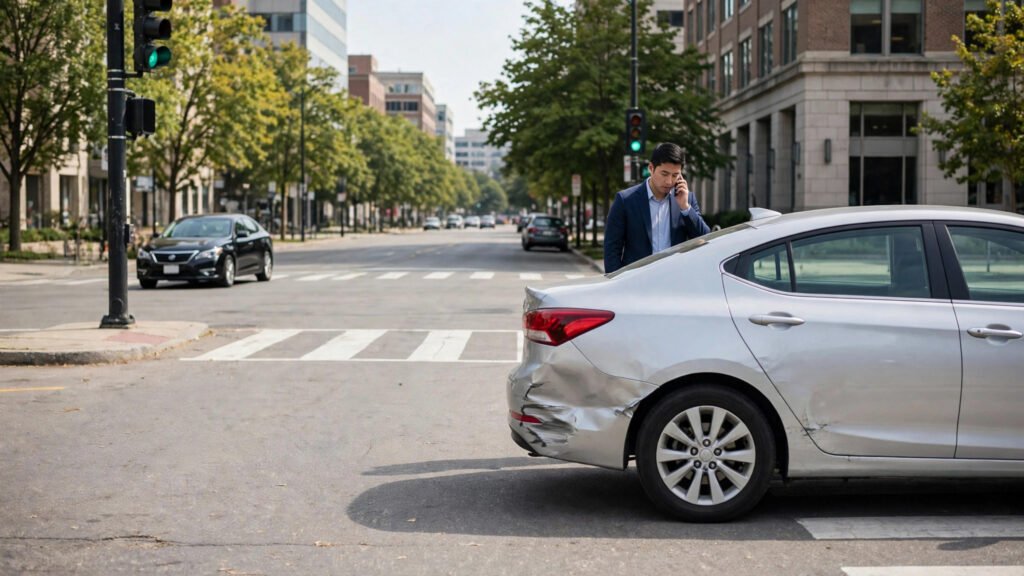
A tap in a parking lot. A rear-end bump at a red light where everyone walks away saying “I’m fine.” The damage is a dented bumper, maybe a sore neck the next morning. In moments like these, hiring a lawyer feels like overkill — and honestly, sometimes it is.
But “minor” accidents have a way of becoming not-minor. The soreness turns out to be a herniated disc. The friendly adjuster stops returning calls. The $1,200 repair estimate becomes $4,000 once the bumper comes off. Every year, people with small accidents make two opposite mistakes: hiring expensive help they didn’t need, or going it alone when they desperately needed it.
This guide gives you an honest framework for deciding — when you can confidently handle a minor accident yourself, the warning signs that mean you should get counsel, what lawyers actually do in small cases, and what it costs.
First: What Counts as “Minor”?
Lawyers and insurers don’t share one definition, but practically, a minor accident means: no emergency room visit or only a precautionary one, no broken bones or hospitalization, vehicle damage limited to cosmetic or bolt-on parts, and no missed work beyond a day or two. If your situation is bigger than that — an ambulance ride, imaging that found something, weeks of treatment — you’re probably past “minor” already, and the analysis below shifts.
The tricky part: you often can’t tell on day one. Soft-tissue injuries commonly feel mild at first and worsen over 48–72 hours as inflammation sets in. So treat “minor” as a provisional label, not a final diagnosis. If symptoms escalate, re-run the decision below with the new facts.
When You Can Probably Handle It Yourself
You’re likely fine without a lawyer when all of these are true:
Fault is undisputed. The other driver admitted it, the police report cites them, or the facts are obvious (you were rear-ended at a stop). Disputed fault is the number one reason small claims need lawyers.
Injuries are truly minimal. Bumps, bruises, soreness that resolves within days with no medical treatment beyond maybe one checkup. The moment you need ongoing treatment — physical therapy, specialist visits, imaging — the claim’s complexity jumps.
Damages are straightforward. A repair estimate, a tow bill, a day of missed work. When every dollar is documented and undisputed, there’s little for a lawyer to add.
The insurer is cooperating. The adjuster responds, the process moves, and offers are in a sane range. Cooperation can evaporate, but while it’s there, professional help adds cost without adding value.
In these cases, the practical playbook is simple: document everything (photos, the police report number, receipts), get the repair estimate, keep records of any medical visit, and negotiate directly. Our guide on what to do in the first 24 hours after a car accident covers the documentation steps that protect even the smallest claims.
Warning Signs You Need a Lawyer After All
Watch for these — any one of them is reason to at least get a free consultation:
Injuries That Grow Instead of Fade
Neck or back pain that worsens after a few days, numbness or tingling in limbs, headaches that won’t quit, dizziness, or any symptom that sends you back to a doctor. Delayed-onset injuries are real and well-documented — NHTSA’s crash injury research has long noted that soft-tissue symptoms often peak days after impact. What looked minor on Monday can be a documented medical case by Friday.
The Insurer Disputes Fault or Lowballs
If the adjuster claims you were partly at fault, questions whether your treatment was necessary, or makes an offer that doesn’t cover your documented bills, you’re no longer in “simple claim” territory. Insurers count on unrepresented claimants accepting the first number — our breakdown of how to respond to a lowball offer shows the playbook, but persistent lowballing is itself a sign to get help.
Multiple Vehicles, Commercial Vehicles, or Government Involvement
Pile-ups, trucks, rideshares, city buses, or any government vehicle multiply the legal complexity: multiple insurers, federal trucking regulations, or short government notice deadlines. These cases are never “minor” from a legal standpoint even when injuries are.
The Other Driver Is Uninsured or Underinsured
If the at-fault driver has no insurance or minimum limits that won’t cover your bills, you’re suddenly dealing with your own policy’s UM/UIM provisions — contract language, consent clauses, and setoff rules that trip up even careful people.
You’re Being Asked to Give Recorded Statements or Sign Releases
A request for a recorded statement early on, or a quick settlement check paired with a release to sign, is the insurer trying to close your claim cheaply before you understand it. Never sign a release while still treating, and consider counsel before giving statements that can be used against you.
What a Lawyer Actually Does in a Small Case
People imagine lawyers only matter in million-dollar trials. In small cases, the value is quieter but real: they organize your documentation into a proper demand, calculate damages you didn’t know to claim (future treatment, diminished vehicle value, the true cost of missed work), handle all insurer communication so you don’t say something damaging, and negotiate from a position the insurer respects. An attorney who handles what your claim is actually worth for a living will spot value in your case you’d walk past.
Just as important is what they prevent: missed deadlines, signed-away rights, and statements that undermine your claim. In small cases, a lawyer’s highest value is often defensive — keeping you from accidentally destroying a claim that’s worth more than you think.
What It Costs: Contingency Fees Explained
The reason cost shouldn’t scare you off a consultation: virtually all personal injury lawyers work on contingency — they take a percentage of what they recover, typically around one-third, and you pay nothing upfront and nothing if you lose. The consultation itself is almost always free.
Do the math honestly, though. On a $3,000 claim, a one-third fee is $1,000 — and if the lawyer can’t get you meaningfully more than you’d get alone, you’ve paid for little. Good attorneys will tell you this themselves; if your case is genuinely small and simple, an ethical lawyer will say so and may even give you pointers for handling it alone. Be wary of anyone who pressures you to sign on a case they describe as minor — that’s a volume practice, not counsel.
Diminished value: one thing even small-case lawyers earn their fee on — your car’s lost resale value after accident repairs. Many owners don’t know they can claim it, insurers never mention it, and on newer cars it can exceed the repair bill. Ask about it specifically.
Scenario Guide: Do You Need a Lawyer?
| Scenario | Lawyer Recommended? | Why |
|---|---|---|
| Parking-lot dent, no injuries, other driver admits fault | Usually not | Property-only claims with clear fault are straightforward to settle directly |
| Rear-end bump, brief soreness, one doctor visit, insurer cooperating | Probably not | Document well and negotiate; consider a free consultation for confidence |
| Pain worsening after 3+ days, ongoing treatment needed | Yes | Medical complexity and future costs need professional valuation |
| Insurer disputes fault or makes a lowball offer | Yes | Negotiating leverage shifts dramatically with counsel involved |
| Multiple vehicles, truck, rideshare, or government vehicle | Yes | Multiple insurers, special regulations, or short notice deadlines |
| Other driver uninsured or underinsured | Yes | UM/UIM contract rules and consent requirements are easy to get wrong alone |
| Asked to give a recorded statement or sign a release | Consult first | Never sign away rights or lock in statements without advice |
How to Handle It Yourself (If You Go That Route)
If your case fits the “handle it alone” profile, do it properly:
- Document relentlessly. Photos of all vehicles, the scene, and any visible injuries. Police report number. Names and numbers of witnesses. You can never have too much documentation, and you can’t go back for it later.
- Get medical checked promptly. Even if you feel fine, a same-day or next-day checkup creates a medical record tying any later symptoms to the crash. Gaps in care are the insurer’s favorite argument.
- Track every dollar. Repair estimates, tow bills, rental car costs, medical copays, missed work hours with pay rates. Small claims are won on receipts.
- Don’t accept the first offer reflexively. The first offer is a starting point by design. Counter with your documented total and a brief explanation. Our guide on evaluating a first settlement offer walks through the math.
- Never sign a release while treating. Once you sign, the claim is closed forever — even if new injuries surface. Settle only when treatment is complete or you have a firm prognosis.
Red Flags in Choosing a Lawyer (Even for Small Cases)
If you do seek counsel, avoid: firms that advertise heavily but hand your case to a junior staffer you’ve never met; anyone who guarantees a result (unethical and a lie); pressure to sign during the first call; and unclear fee agreements. A good sign: the lawyer asks detailed questions about your injuries and the facts, explains the fee plainly in writing, and is honest when your case may not need them. If you’re comparing options, our directory guide on finding a personal injury lawyer covers what to look for.
Frequently Asked Questions
Is it worth getting a lawyer for a fender bender with no injuries?
Usually not, if it’s truly property damage only — a dented bumper, clear fault, cooperative insurer. Document the damage, get estimates, and settle the repair claim directly. The exception: if the repair cost is high enough that diminished value matters (newer cars), a consultation can tell you whether that hidden claim is worth pursuing.
What if I feel fine now but start hurting days later?
This is extremely common — soft-tissue inflammation often peaks 48 to 72 hours after impact. Get medical attention as soon as symptoms appear, and tell the doctor about the crash so the visit is linked to it. Then re-evaluate the lawyer question: new or worsening injuries change the calculus significantly. Don’t let an insurer use the delay against you; delayed onset is medically normal.
Will hiring a lawyer make the process take longer?
Sometimes slightly, because thorough documentation and negotiation take time — but “faster” isn’t the goal, “fuller” is. Insurers love rushing unrepresented claimants into quick, cheap settlements. A lawyer slows the process to the speed of proper valuation. Most small cases with counsel still resolve in months, not years.
How much does a lawyer take from a small settlement?
The standard contingency fee is around one-third of the recovery, sometimes slightly less for cases that settle before a lawsuit is filed. On a $9,000 settlement, that’s roughly $3,000. Ask for the fee structure in writing before signing, including how case costs (filing fees, records requests) are handled — whether they’re deducted before or after the percentage is calculated matters.
Can I switch lawyers if I’m unhappy with mine?
Yes — you can change attorneys at any time. Your file belongs to you, and the fee gets divided between the firms based on work performed (you don’t pay double). That said, switching late in a case can complicate things, so choose carefully upfront: meet the actual attorney who’ll handle your case, not just the intake salesperson.
What should I bring to a free consultation?
The police report or report number, photos from the scene, all medical records and bills so far, auto repair estimates, your insurance declarations page, and any letters or offers from insurers. Also write a one-page timeline of what happened and what hurts. Organized clients get better assessments — the lawyer can spot issues faster when the facts are laid out.
The adjuster said I don’t need a lawyer. Is that true?
The adjuster works for the insurance company, not for you — their job is to close your claim for as little as possible, and unrepresented claimants settle for less on average. That doesn’t automatically mean you need counsel; it means you should treat the adjuster’s advice about lawyers the way you’d treat a used-car salesman’s advice about warranties. Evaluate your case against the warning signs in this guide, not against the adjuster’s reassurance.
What is diminished value, and can I claim it after a minor accident?
Diminished value is the loss in your car’s resale value because it now has an accident history — even perfectly repaired, it’s worth less than an identical never-wrecked car. Yes, you can claim it against the at-fault driver’s insurer in most states, and on newer vehicles it can be substantial. Insurers won’t volunteer it; you typically need to ask, document with dealer quotes or appraisals, and sometimes push. The Insurance Information Institute publishes background on how auto claims and valuations work.
How long do I have to decide whether to hire a lawyer?
You have until your state’s statute of limitations runs out to file suit — but waiting hurts your case in practical ways long before the legal deadline. Evidence fades, and early mistakes (recorded statements, signed releases) can’t always be undone. The practical answer: decide within the first few weeks, once you know whether injuries are truly minor or developing.
What if the accident was partly my fault?
Most states allow recovery even when you’re partly at fault, reducing your compensation by your percentage of fault — and a few states bar recovery entirely if you’re more than 50% at fault. Partial fault makes cases more complex, not simpler: the insurer will push your fault percentage as high as it can. This is squarely a “get a consultation” situation, because the fault fight is where unrepresented claimants lose the most.
Key Takeaway
For a genuinely minor accident — clear fault, minimal injuries, cooperative insurer — you can often handle the claim yourself with good documentation and patience. But treat “minor” as provisional: if injuries develop, the insurer pushes back, fault gets disputed, or complexity appears (multiple parties, commercial vehicles, uninsured drivers), get a free consultation promptly. The consultation costs nothing, the contingency fee means no upfront risk, and the most expensive mistake in small cases isn’t hiring a lawyer — it’s realizing too late that you needed one.
Disclaimer: This article provides general information for educational purposes only and is not legal advice. Whether you need an attorney depends on the specific facts of your accident, and laws governing fault, claims, and attorneys’ fees vary by state. For guidance about your specific situation, consult a licensed attorney in your state.
