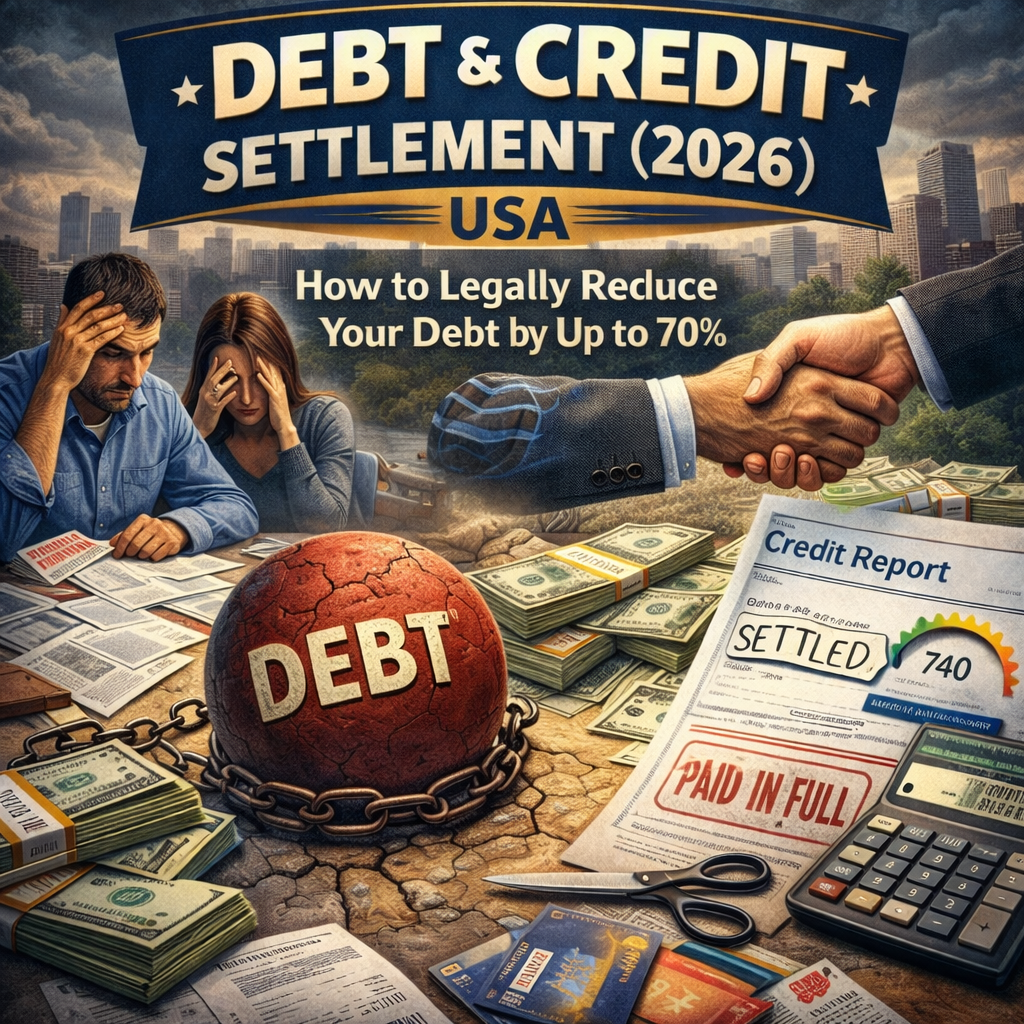
Credit Settlement Company USA: How Debt Settlement Companies Work and What to Consider
When credit card balances and other unsecured debts become difficult to manage, some consumers in the United States consider working with a credit settlement company.
A credit settlement company, also commonly called a debt settlement company, typically negotiates with creditors on behalf of consumers in an attempt to resolve eligible debts for less than the full amount owed.
While debt settlement may be an option for some people facing serious financial difficulties, it is important to understand how these companies work, what they charge, and the potential risks before enrolling in a program.
This guide explains what to look for when choosing a credit settlement company in the USA and what questions you should ask before signing an agreement.
What Is a Credit Settlement Company?
A credit settlement company is a business that provides debt settlement services to consumers who have certain types of unsecured debt.
The company may negotiate with creditors or debt collectors in an attempt to reach a settlement for less than the outstanding balance.
For example, a consumer may owe $25,000 across several credit card accounts. A settlement company might negotiate with creditors to accept a lower amount to resolve eligible accounts.
However, there is no guarantee that a creditor will accept a settlement offer.
Debt settlement companies commonly work with certain types of unsecured debt, including:
- Credit card debt
- Some personal loans
- Certain medical debts
- Other qualifying unsecured obligations
Not every type of debt is appropriate for settlement, so consumers should ask which accounts can actually be included in a proposed program.
How Does a Credit Settlement Company Work?
The exact process varies by company, but a typical debt settlement program may involve several stages.
Step 1: Financial Assessment
The company reviews information about your debts, income, expenses, and financial situation.
This helps determine whether settlement may be an appropriate strategy.
Step 2: Program Enrollment
If you decide to proceed, you may sign an agreement describing the services, fees, program terms, and other obligations.
Always read the agreement carefully before enrolling.
Step 3: Building Funds
Depending on the program structure, consumers may be asked to set aside money that can eventually be used to fund negotiated settlements.
Consumers should understand that delaying payments to creditors can have consequences.
Step 4: Negotiation
The settlement company attempts to negotiate with creditors or debt collectors.
The goal is generally to obtain an agreement under which the creditor accepts a specified amount to resolve the debt.
Step 5: Settlement
If the creditor accepts an offer and the required amount is available, the debt may be resolved according to the settlement agreement.
Not every creditor will necessarily agree to a settlement.
What Does a Credit Settlement Company Charge?
Debt settlement companies may charge fees for their services.
The fee structure can vary significantly between companies and programs.
Before choosing a company, ask:
- What is the total fee?
- How is the fee calculated?
- When does the company charge the fee?
- Is the fee based on enrolled debt or settled debt?
- Are there additional account or administrative charges?
- What happens if a creditor refuses to settle?
Do not compare companies based solely on the percentage of debt they claim they can potentially reduce.
The total cost of the program is more important.
Credit Settlement Company vs. Credit Counseling
These services are different.
A credit settlement company generally attempts to negotiate reduced settlements with creditors.
A credit counseling organization may instead help consumers create a budget and, when appropriate, establish a structured debt-management plan.
Debt management plans typically focus on repaying debt under negotiated terms rather than attempting to eliminate a portion of the principal through settlement.
Consumers should compare both approaches before making a decision.
Credit Settlement Company vs. Debt Consolidation
Debt consolidation and debt settlement are also different strategies.
With debt consolidation, multiple debts may be combined into a single loan or payment arrangement.
With debt settlement, the objective is generally to negotiate with creditors to accept less than the amount owed.
Debt consolidation may require sufficient income and creditworthiness to qualify for a suitable loan.
Debt settlement may have different risks, particularly if payments are missed during the process.
What Are the Risks of Using a Credit Settlement Company?
Working with a debt settlement company does not eliminate the underlying risks associated with unpaid debt.
Credit Score Damage
If payments are missed or delayed, your credit history may be negatively affected.
Consumers should understand the potential credit consequences before participating in a settlement program.
Collection Activity
Creditors or debt collectors may continue attempting to collect outstanding debts.
Enrolling with a settlement company does not automatically stop collection activity.
Potential Lawsuits
A creditor may potentially pursue legal action to collect an unpaid debt.
Consumers should not assume that a settlement company can guarantee protection from lawsuits.
Potential Tax Consequences
In certain circumstances, canceled or forgiven debt may have federal income-tax implications.
Tax treatment depends on individual circumstances and applicable rules, so consumers may wish to consult a qualified tax professional.
No Guaranteed Settlement
A creditor is not necessarily required to accept a settlement offer.
A company should not be treated as guaranteeing a specific settlement outcome unless such a guarantee is legally valid and clearly documented.
How to Choose a Credit Settlement Company in the USA
Choosing a debt settlement company requires careful research.
1. Research the Company
Look for information about the company’s history, reputation, complaints, and regulatory record.
Do not rely exclusively on testimonials published on the company’s own website.
2. Understand the Contract
Read the complete agreement before signing.
Pay particular attention to:
- Fees
- Cancellation provisions
- Program duration
- Account requirements
- Settlement procedures
- Consumer responsibilities
3. Avoid Unrealistic Promises
Be cautious of companies promising that they can eliminate all your debt or guarantee a specific settlement amount.
Debt settlement outcomes depend on individual circumstances and creditor decisions.
4. Ask About Creditor Communication
Find out how the company handles communication with creditors and what you should do if you receive collection letters or legal notices.
5. Compare Alternatives
Do not assume that settlement is automatically the best option.
Depending on your circumstances, alternatives may include:
- Direct negotiation with creditors
- Credit counseling
- Debt management plans
- Debt consolidation
- Bankruptcy consultation
- Other financial assistance programs
Questions to Ask a Credit Settlement Company
Before enrolling, ask the company these important questions:
- Which debts can you help me settle?
- How much are your fees?
- When will I be charged?
- What happens if a creditor rejects the settlement?
- How long could the program take?
- What happens if I leave the program early?
- Could my credit score be affected?
- Could creditors continue collection efforts?
- Could I face legal action from creditors?
- Could forgiven debt have tax consequences?
A trustworthy company should clearly explain both the potential benefits and the risks.
Are Credit Settlement Companies Legitimate?
Yes, debt settlement is a real financial service, and legitimate companies operate in the USA.
However, the existence of legitimate companies does not mean every company is trustworthy.
Consumers should carefully investigate any company before providing personal financial information or paying fees.
Be particularly cautious if a company:
- Guarantees that all debt will disappear
- Promises a specific credit-score increase
- Demands unusual upfront payments
- Pressures you to sign immediately
- Refuses to provide a written agreement
- Does not clearly explain its fees
- Tells you to ignore legal documents
These warning signs should encourage you to slow down and conduct additional research.
Can a Credit Settlement Company Lower Your Debt?
Potentially, yes.
A successful settlement may allow a creditor to accept less than the total outstanding balance.
However, no specific reduction should be assumed in advance.
The result can depend on the creditor, type and age of debt, account status, amount owed, consumer circumstances, and negotiation.
The advertised settlement percentage should therefore not be treated as a guaranteed outcome.
Is a Credit Settlement Company Right for You?
There is no single debt-relief strategy that works for everyone.
A settlement program may be worth considering when someone has substantial unsecured debt and is struggling to maintain regular payments.
However, the potential reduction in debt should be weighed against:
- Credit damage
- Collection activity
- Potential lawsuits
- Company fees
- Possible tax consequences
- Long-term effects on borrowing
Consumers should evaluate their entire financial situation before making a decision.
Final Thoughts
A credit settlement company in the USA may help some consumers negotiate settlements on eligible unsecured debts, but choosing a company should never be based solely on promises of saving money.
Before enrolling, research the company, understand its fees, read the agreement carefully, and compare debt settlement with other options.
Most importantly, understand that debt settlement can involve meaningful financial and credit risks.
The right solution depends on your individual debt, income, expenses, credit situation, and financial goals.
Disclaimer: This article is provided for general educational and informational purposes only and does not constitute legal, tax, credit, or financial advice. Debt settlement laws and consumer protections can vary by federal and state law and by individual circumstances. Consider consulting an appropriately qualified professional before making a financial decision.
- credit settlement companies USA
- debt settlement company USA
- best credit settlement company
- debt settlement companies
- credit card debt settlement
- debt settlement services USA
- debt relief companies USA
- credit settlement services
- debt settlement program
- how debt settlement works
Credit Settlement Company USA, Debt Settlement USA, Credit Settlement, Debt Relief USA, Debt Settlement Companies, Credit Card Debt, Debt Settlement Program, Debt Relief Companies, Personal Finance, Debt Management, Credit Score, Financial Planning
10 FAQs About Credit Settlement Companies in the USA
1. What is a credit settlement company?
A credit settlement company is a business that may negotiate with creditors or debt collectors to try to resolve eligible unsecured debts for less than the full amount owed.
2. How does a credit settlement company work?
Typically, the company evaluates your debts, establishes a settlement strategy, negotiates with creditors, and attempts to reach agreements to resolve eligible accounts.
3. Can a credit settlement company reduce my debt?
It may be possible to settle eligible debt for less than the outstanding balance, but there is no guarantee that a creditor will accept a particular settlement offer.
4. How much does a credit settlement company charge?
Fees vary by company and program. Consumers should ask for the complete fee structure and understand exactly when fees become payable.
5. Does debt settlement hurt your credit?
It can. Missed or delayed payments during the settlement process may negatively affect your credit history.
6. Can a creditor sue me while I am using a settlement company?
Potentially, yes. Enrolling in a settlement program does not automatically prevent creditors from pursuing collection through legal action.
7. Are credit settlement companies legitimate?
Some legitimate companies provide debt settlement services, but consumers should research any company carefully and review its fees, contracts, complaints, and regulatory history.
8. What debts can a settlement company help with?
Settlement services are generally focused on certain unsecured debts, such as credit card debt and some personal or medical debts. Eligibility varies by company and creditor.
9. Is debt settlement better than debt consolidation?
Neither is automatically better. Debt settlement seeks negotiated reductions, while consolidation generally combines debts into another repayment arrangement. The appropriate option depends on your financial situation.
10. What should I look for in a credit settlement company?
Look for transparent fees, clear contracts, realistic claims, clear communication about risks, and a willingness to explain alternatives rather than pressuring you to enroll immediately.